Cambodia Multi-Entry: the Laos Tropaeng Kreal Loop for Australian Travellers
Chasing the Irrawaddy dolphins and the Si Phan Don river-island circuit on a Cambodia Business eVisa? This is the Tropaeng Kreal-Veun Kham loop for Aussies — slower than Bavet, much quieter, and the natural pairing with a wildlife or Mekong-river trip.
How does an Australian traveller run the Cambodia-Laos Tropaeng Kreal-Veun Kham loop on a multi-entry workflow?
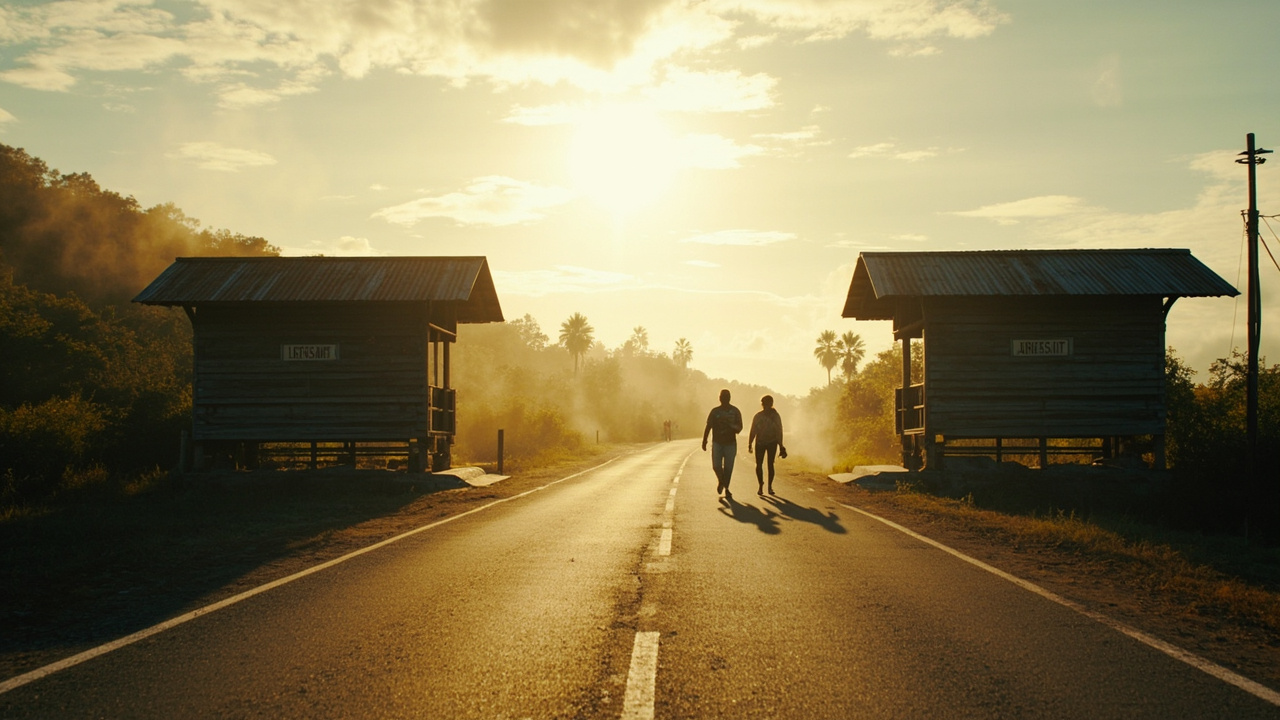
Treat each Cambodia entry as a separate single-entry Business eVisa: $90 USD (~$137 AUD) all-in, approved in 3 business days, delivered as a printable PDF by email. Pair it with Laos visa-on-arrival ($35 USD (~$53 AUD) for Aussies in cash) at Veun Kham, since Laos still issues VoA reliably to Australian passport holders. The slow rhythm is fly into Phnom Penh KTI, head north via Kratie and Stung Treng for the Mekong dolphin and dry-forest segments, cross at Tropaeng Kreal-Veun Kham for the Si Phan Don river-island and southern Laos circuit, then file a fresh Cambodia application from Pakse and re-enter overland three or four days later. The crossing itself is slower and quieter than Bavet — perfect for an Aussie wildlife or Mekong trip combo.
Wichtigste Erkenntnisse
- Cambodia eVisas are single-entry in 2026. An Aussie running the Mekong loop needs a fresh Business eVisa for every re-entry from Laos — $90 USD (~$137 AUD) all-in, approved in 3 business days, delivered as a printable PDF by email.
- The Phnom Penh-Stung Treng-Tropaeng Kreal drive is a long day: roughly 9 hours from the capital or 1.5 hours from Stung Treng. Most Aussies break it at Kratie or Stung Treng overnight before the crossing.
- Laos visa-on-arrival is $35 USD (~$53 AUD) cash for Australian passport holders at Veun Kham. Carry it in clean small notes — the booth has no ATM and the money-changer rates are roughly 12% below market.
- Tropaeng Kreal is the quieter, more scenic crossing but VoA stockouts on the Cambodian side are routine. For your return entry, the pre-applied Cambodia Business eVisa is the safer call — apply from Pakse on a Lao SIM hotspot.
- Land entries do not need the e-Arrival Card — that is air-only. The Mekong wildlife loop typically doesn't involve another Cambodia air leg, but if you fly out to Bangkok or Singapore from KTI later, the verified e-Arrival is $5 USD (~$7.50 AUD).
Why the Laos loop fits the Aussie Mekong trip combo
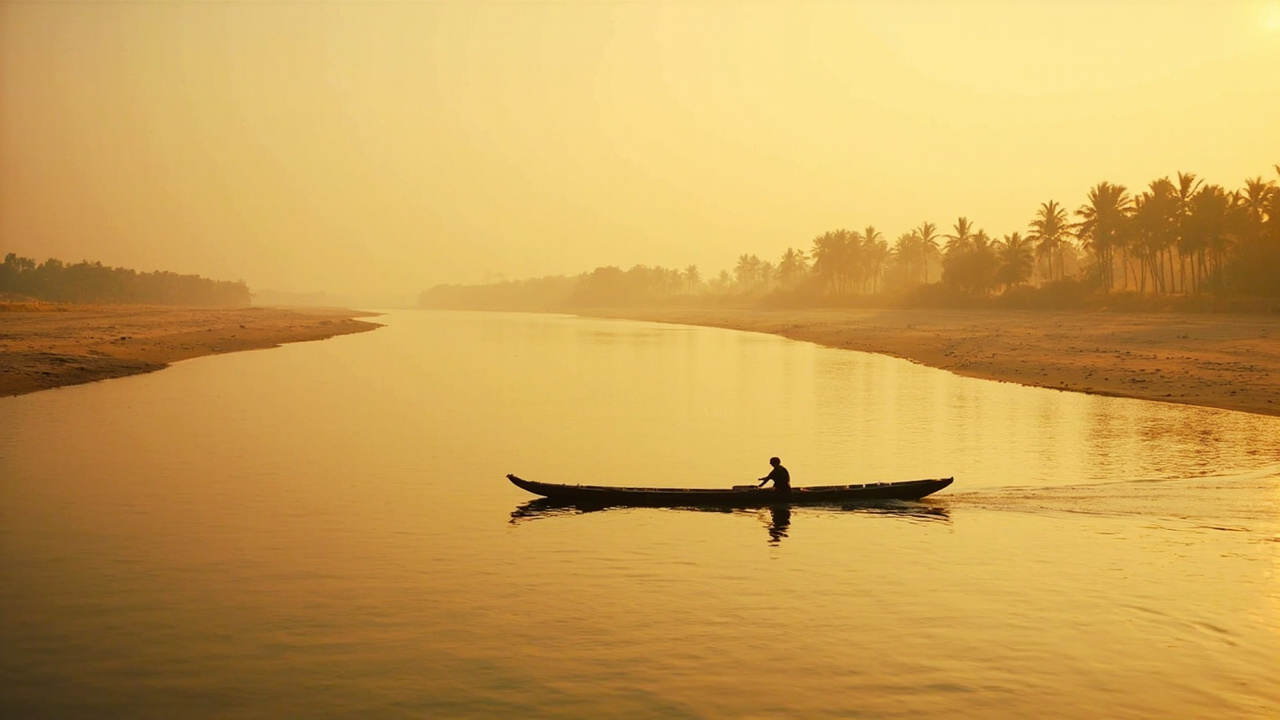
If you have come to Cambodia for the Irrawaddy dolphins at Kampi, the dry forest at Mondulkiri, or the bird-rich wetlands of Stung Treng, you have already done most of the driving you need to do to reach Tropaeng Kreal. The crossing sits about 70 km north of Stung Treng township on Highway 7, on the Mekong's east bank, and it slides straight into the Si Phan Don river-island archipelago on the Laos side — Don Det, Don Khon, Don Khong — which is the natural extension of a Cambodian Mekong wildlife trip. For Aussie travellers running a slower, naturalist-style itinerary, this is the corridor that makes sense.
This is the field-tested playbook for the slower, quieter version of the Indochina loop. How the Tropaeng Kreal-Veun Kham crossing actually works at the booth, how the Laos visa-on-arrival pricing pans out for Aussies in 2026, how to time a return Cambodia application from a Pakse guesthouse with patchy wifi, and the practical things that go wrong if you treat this crossing like Bavet. I have personally walked through Tropaeng Kreal more than thirty times since 2019, mostly chasing dry-season birds and river dolphins, and the rhythm has stayed remarkably consistent through three rounds of regional border-policy shifts.
Tropaeng Kreal vs Bavet — why Aussies pick the slower corridor
Most Aussie travellers on the Indochina loop default to Bavet because the bus operators run it hourly and the Saigon-Phnom Penh corridor is well-documented. Tropaeng Kreal is the alternative, and for the right traveller it is the better one. The choice usually comes down to what you want to do on either side of the crossing — Saigon city for an HCMC consultant or family flight home, or Si Phan Don river-islands for an Aussie wildlife or slow-travel trip.
The slower pace is the point
What you give up at Tropaeng Kreal
Three things. First, the passport-runner system that makes Bavet effortless does not exist here — most travellers cross independently in private vans or shared minivans booked through Stung Treng or Si Phan Don guesthouses. You queue your own passport at both booths. Second, the Cambodian VoA at Tropaeng Kreal is the least reliable in the country — sticker stockouts are routine and informal facilitation fees show up regularly. For a returning Aussie with a fresh pre-applied eVisa, this is largely irrelevant, but it is the reason we strongly recommend the pre-applied approval rather than improvising at the booth. Third, the corridor is genuinely remote — the nearest reliable ATM is in Stung Treng on the Cambodian side or Pakse on the Lao side, and the nearest hospital is hours away.
Häufig gestellte Fragen
Why pick the Laos loop over the Vietnam loop?
The Laos loop is for trips where the destinations on the other side of the crossing are the point — Si Phan Don river-islands, southern Laos waterfalls, Pakse, and the Mekong dolphin segments on the Lao side. The Vietnam loop is for trips where HCMC city or a direct daytime Australian flight is the point. If your itinerary is wildlife-driven, photography-driven, or Mekong-river-driven, Tropaeng Kreal lands you closer to where you actually want to be. If your itinerary involves an HCMC client meeting or a Sydney-Saigon-Sydney flight pattern, Bavet is the better fit.
Is Laos visa-on-arrival reliable for Australians at Veun Kham?
Yes — Laos VoA at Veun Kham is one of the more reliable land-border visa-on-arrival points in Southeast Asia for Australian passports. The fee is $35 USD (~$53 AUD) cash for Aussies, the booth processes applications in roughly fifteen minutes, and the visa is valid for 30 days single entry. The Lao side does not have the sticker-stockout problem that affects the Cambodian side. The main risk is informal small surcharges ($1-$2 USD (~$1.50-$3 AUD) weekend or after-hours) which travellers can usually have dropped by politely pushing back.
Can I apply for the return Cambodia eVisa from Si Phan Don?
Technically yes, practically no. Si Phan Don wifi is shared across guesthouses on solar or generator power and the photo-upload step of the Cambodian portal occasionally fails on slow connections. The clean approach is to overnight in Pakse specifically for the application day, or buy a Lao Telecom local SIM (about $2 USD (~$3 AUD) for 5GB) and use mobile data. Don't try to file from a Don Det bungalow unless you have backup connectivity — losing form data partway through and restarting with a fresh payment authorisation costs more than the cost of a Pakse hotel night.
Do I need the Business or Tourist Cambodia eVisa for a wildlife loop?
If your trip is genuinely tourism — wildlife photography, river-island stays, Mekong dolphins, no paid work, no meetings — the Tourist eVisa at $80 USD (~$122 AUD) is the right choice. Business at $90 USD (~$137 AUD) is for engagements involving meetings, paid work, supplier visits, due-diligence, sales calls, or sponsored events. For most Aussie naturalist-style trips, Tourist at $80 USD (~$122 AUD) works fine. The one exception is if you are tying the trip to an NGO collaboration or paid field work, in which case Business at $90 USD (~$137 AUD) is correct.
What if the Cambodian VoA at Tropaeng Kreal is in stock and I have not pre-applied?
Quellen
Did this guide help you?
Aus unserem Blog

Reiseplanung
Was Sie wissen sollten, bevor Sie nach Kambodscha reisen: Eine Checkliste für amerikanische Erstbesucher
Erste Reise nach Kambodscha? Hier ist die ehrliche Checkliste für Erstbesucher aus Amerika — das Visum, die US-Dollar-Geldbesonderheit, die Sicherheitsrealität, die Impfungen, der Tempel-Kleidungsstil und wie die Ankunft am neuen Flughafen im Jahr 2026 tatsächlich aussieht.
Länderkombinationen
Thailand nach Kambodscha 2026: Warum Sie fliegen müssen (Landgrenzen geschlossen) für Amerikaner
Alle sieben Landgrenzen zwischen Thailand und Kambodscha sind seit Juni 2025 geschlossen, daher ist in 2026 der einzige Weg für Amerikaner, von Thailand nach Kambodscha zu gelangen, das Flugzeug. Hier erfahren Sie, wie die Routen Bangkok-nach-Siem Reap und Bangkok-nach-Phnom Penh funktionieren, welches Kambodscha eVisa Sie vor dem Boarding benötigen, und warum der alte Poipet-Überlandplan nicht mehr existiert.
Reiseplanung
Wie man von Phnom Penh nach Siem Reap kommt: Bus, Flug oder Fähre für Amerikaner
Drei Möglichkeiten, die 310 Kilometer zwischen der Hauptstadt Kambodschas und Angkor Wat zurückzulegen: ein $15 Expressbus, ein 45-minütiger Flug oder eine langsame Flussfähre. Hier erfahren Sie, was jede Option für einen amerikanischen Reisenden tatsächlich kostet, wie lange sie dauert und welche zu Ihrer Reise passt.