Phnom Penh to Vientiane by Air: When the Flight Beats the Bus for Aussies
Cambodia to Laos by air is the right call for business travellers and anyone on a tight itinerary. Lao Airlines and Cambodia Angkor Air run the 1.5 hour Phnom Penh → Vientiane hop for $150–250 USD (~$229–381 AUD); a Bangkok layover sometimes drops the fare. Here is when the flight wins versus the overland bus.
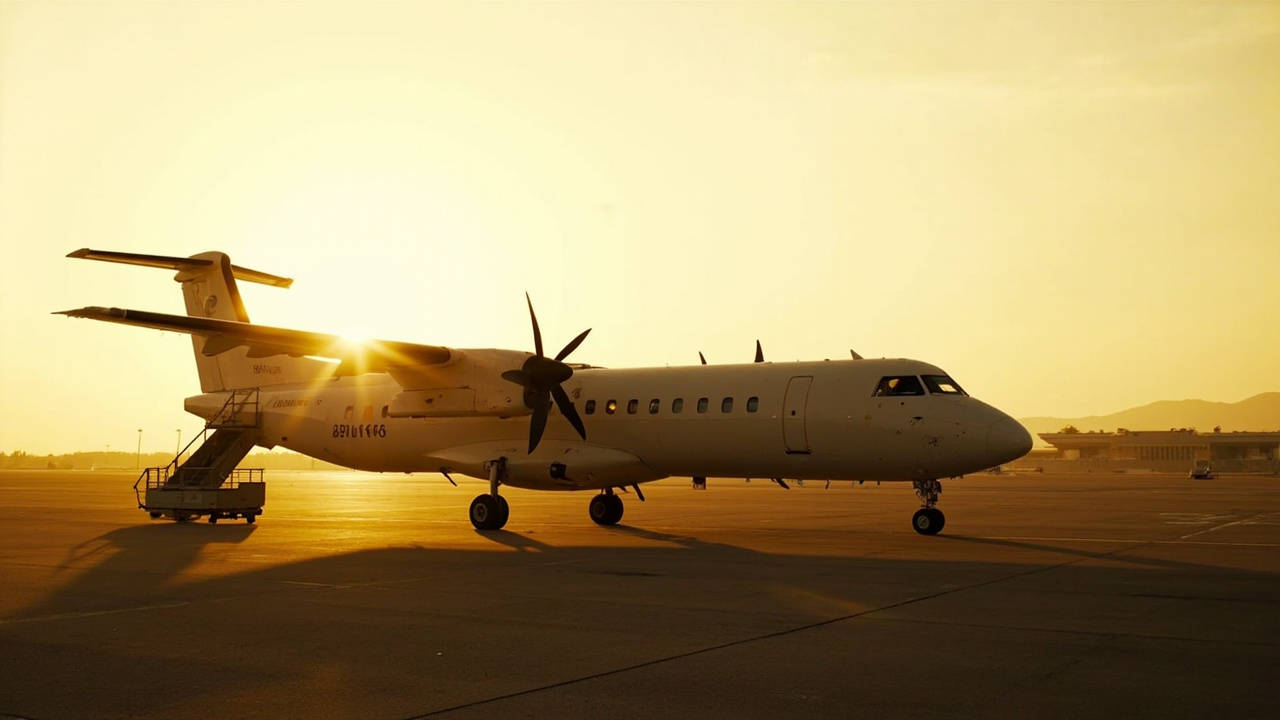
How do Australians fly between Cambodia and Laos in 2026, and when does it beat the overland route?
Lao Airlines and Cambodia Angkor Air run the direct Phnom Penh → Vientiane route in about 1.5 hours of flying time, with typical fares of $150–250 USD (~$229–381 AUD) one-way. A Bangkok layover via Thai Airways or AirAsia is sometimes cheaper at $120–180 USD (~$183–275 AUD) all-in. The flight makes sense for Aussie business travellers, conference delegates, and anyone on a 7–10 day itinerary; the overland bus stays the cheaper play for backpackers with two days to spare. Laos visa-on-arrival on an Aussie passport is processed at Vientiane Wattay International for $35 USD (~$53 AUD).
Những điểm chính cần ghi nhớ
- Lao Airlines and Cambodia Angkor Air run the direct Phnom Penh → Vientiane route, around 1.5 hours flying time on an ATR or A320.
- Typical fares sit at $150–250 USD (~$229–381 AUD) one-way for direct; a Bangkok layover via Thai or AirAsia sometimes drops the all-in to $120–180 USD (~$183–275 AUD).
- The flight is the right call for Aussie business travellers, conference delegates, and anyone on a 7–10 day itinerary where two overland days are too costly.
- The overland bus stays the cheaper play for backpackers and gap-year Aussies on a working-holiday budget — different trip, different route.
- Laos visa-on-arrival is available at Vientiane Wattay International for Aussie passports — $35 USD cash (~$53 AUD), 30-day stay, processed at the airport on arrival.
Why this matters for Aussie business travellers in 2026
If you have ten days in the region, three meetings in Phnom Penh, a supplier visit in Vientiane, and a Sunday flight home from Bangkok, the overland bus is not your friend. The Phnom Penh → Stung Treng → Tropaeng Kreal → Veun Kham → Vientiane corridor by road eats two full days off your itinerary, and that is the wrong economics when your time is worth $300–500 AUD an hour. Our Cambodia-to-Laos overland bus guide covers the budget route in detail; this article is the corporate alternative. For the umbrella reference on cost, documents, and processing time, see the Cambodia visa for Australians hub.
The other thing that matters in 2026 is that all seven Thailand–Cambodia land borders have been closed since June 2025. That has cut off the old Aussie-corporate Bangkok-Siem Reap drive that some teams used to do as a cost-saving. Air is now the default for any Cambodia leg connected to a Thai itinerary, and the regional capacity on Lao Airlines, Cambodia Angkor Air, and the Bangkok-routed alternatives has firmed up to meet that. Fares are stable. Schedules are predictable. The product is fit for purpose.
Your Cambodia leg still needs a valid visa before you board the flight in. If you are flying in for meetings or paid work, the Business eVisa is the right product — covers meetings, conferences, supplier visits, due-diligence trips, and sponsored events at $90 USD (~$137 AUD) all-in. The Cambodia business visa guide for Australians covers the eligibility and the documents required.
The two direct carriers and the Bangkok detour
The Phnom Penh → Vientiane market in June 2026 has three competing shapes: two direct carriers running their own metal between the capitals, and a Bangkok-layover bundle that goes through a third country. Each one has a different price-time-comfort trade. The right choice depends on whether your itinerary already touches Bangkok and how much you value a same-day arrival.
Lao Airlines
Lao Airlines is the flag carrier and runs the route on either an ATR-72 turboprop or an A320 narrow-body depending on the season. There is usually one daily morning departure from Phnom Penh, occasionally two during peak season (October to March). Fares for an Aussie booking three weeks out sit at $150–220 USD (~$229–336 AUD) one-way in economy, with a Business class fare in the $300–400 USD (~$458–611 AUD) range when the A320 is operating. The product is straightforward — checked bag included, a small snack, on-time performance that is solid by regional standards.
Câu hỏi thường gặp
How long is the direct flight from Phnom Penh to Vientiane?
Around 1 hour 30 minutes of flying time, with both Lao Airlines and Cambodia Angkor Air operating either an ATR-72 turboprop or an A320 narrow-body depending on the day and season. There is usually one daily morning departure on each carrier, occasionally two during the October-to-March peak. Total airport-to-airport time including check-in and immigration on both ends runs about 4 hours.
How much does an Aussie pay for a direct Phnom Penh to Vientiane flight?
Typical one-way economy fares booked three weeks ahead sit at $150–250 USD (~$229–381 AUD) on either Lao Airlines or Cambodia Angkor Air. Business class on the A320 service runs $300–400 USD (~$458–611 AUD) when available. Last-minute fares (booked inside one week) can climb to $300–350 USD (~$458–534 AUD), especially during the December-January peak. Always check both direct carriers — the cheaper fare alternates between them.
Is it cheaper to fly via Bangkok between Phnom Penh and Vientiane?
Sometimes, yes. A Phnom Penh → Bangkok → Vientiane routing on Thai Airways, Bangkok Airways, or AirAsia can come in at $120–180 USD (~$183–275 AUD) booked three weeks out — roughly $50–100 USD (~$76–153 AUD) cheaper than the direct flight. The trade is time: total transit including the Bangkok layover runs 5–7 hours versus 1.5 hours direct. The Bangkok routing makes sense if your itinerary already touches BKK or if your time on the second leg has lower value.
Can Australians get a Laos visa-on-arrival at Vientiane Wattay International?
Yes. Aussie passport holders qualify for the Laos VoA at Wattay's arrival hall — $35 USD cash (~$53 AUD), 30-day single-entry stay, processed at a dedicated booth before the standard immigration queue. You need a passport with 6 months validity, one 35×45 mm passport-style photo, and the completed paper form available at the booth. Bring USD in small clean post-2013 notes; the booth refuses anything torn, marked, or pre-2013.
Should I get a Cambodia Tourist or Business eVisa if I am flying for meetings?
If your purpose of visit is meetings, paid work, conferences, supplier visits, due-diligence, sponsored events, or any business activity, the Business eVisa is the correct product — $90 USD (~$137 AUD) all-in, 3 business days processing, valid for 3 months from issue with a 30-day single-entry stay. The Tourist eVisa at $80 USD (~$122 AUD) does not legally cover paid business activity, and it cannot be extended in-country since the tourist auto-extension ended in November 2025. Match the visa to the actual trip.
Nguồn
Did this guide help you?
Từ blog của chúng tôi

Lập kế hoạch chuyến đi
Những Điều Cần Biết Trước Khi Đến Campuchia: Danh Sách Kiểm Tra Cho Người Mới Đến là Người Mỹ
Chuyến đi đầu tiên đến Campuchia? Dưới đây là danh sách kiểm tra thực tế cho người mới đến là người Mỹ — thị thực, đặc điểm sử dụng đô la Mỹ, thực trạng an toàn, vaccine, quy định trang phục khi tham quan đền, và cảnh thực tế khi đến sân bay mới vào năm 2026.

Kết Hợp Quốc Gia
Thái Lan đến Campuchia năm 2026: Tại sao Bạn Phải Bay (Cửa khẩu đường bộ đóng cửa) dành cho người Mỹ
Tất cả bảy cửa khẩu đường bộ giữa Thái Lan và Campuchia đã đóng cửa kể từ tháng 6 năm 2025, vì vậy trong năm 2026, cách duy nhất để người Mỹ từ Thái Lan vào Campuchia là bay. Dưới đây là cách hoạt động của các tuyến Bangkok-Siem Reap và Bangkok-Phnom Penh, thị thực điện tử Campuchia bạn cần trước khi lên máy bay, và lý do kế hoạch đi bộ qua Poipet cũ không còn tồn tại.

Lập kế hoạch chuyến đi
Cách Di Chuyển từ Phnom Penh đến Siem Reap: Xe Khách, Máy Bay hoặc Phà dành cho Người Mỹ
Ba cách để di chuyển 195 dặm giữa thủ đô Campuchia và Angkor Wat: xe khách chạy nhanh $15, chuyến bay 45 phút, hoặc phà đường sông chậm. Dưới đây là chi phí thực tế, thời gian di chuyển của từng phương tiện dành cho du khách Mỹ, và phương án nào phù hợp với chuyến đi của bạn.